

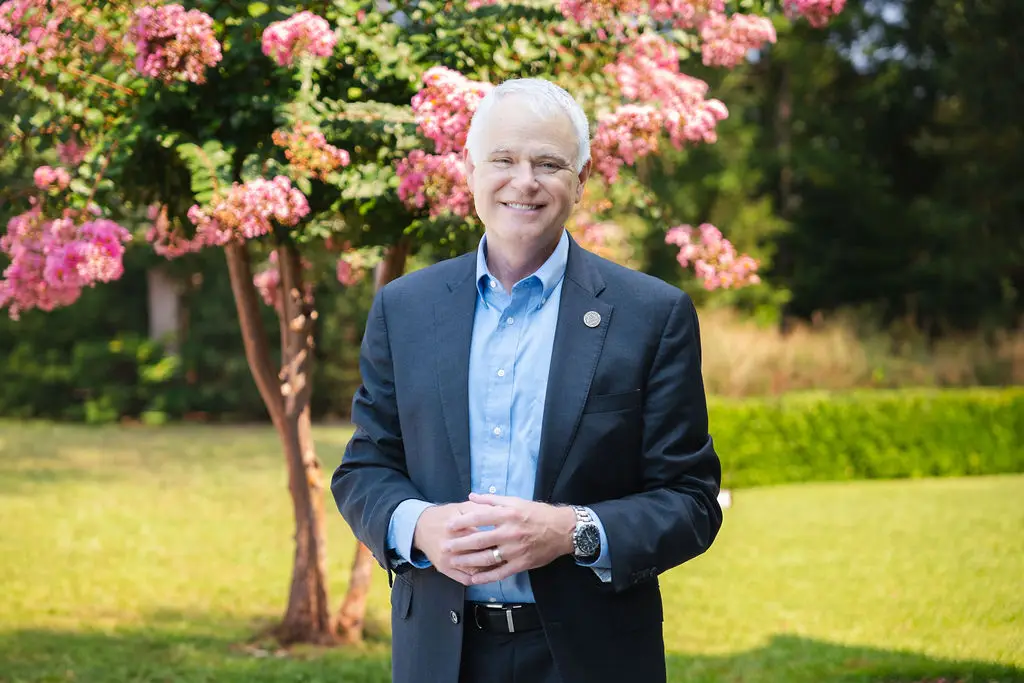
Across North Carolina, one of the issues that continues to surface in conversations with local leaders, employers, and economic developers is workforce housing. In the latest episode of Golden LEAF Critical Conversations, we discussed how partnerships are creating workforce housing solutions.
Whether a community is recruiting a new manufacturer, expanding a healthcare system, or working to retain teachers, first responders, and other essential workers, the question is increasingly the same: Where will these workers live?
For many years, housing was viewed primarily as a community development issue. Today, it is clearly an economic development issue.
Communities cannot compete for jobs and investment if the workforce cannot find attainable housing nearby. Likewise, employers cannot grow if workers are forced to commute long distances or choose other communities altogether. Workforce housing has become an essential piece of the infrastructure that supports economic opportunity.
At Golden LEAF, our mission is to increase economic opportunity in North Carolina’s rural and tobacco-dependent communities. That is why workforce housing infrastructure funding is an eligible project under our Job Creation and Economic Investment priority.
Our role is intentionally focused. Golden LEAF supports the construction of publicly available infrastructure—such as water, sewer, roads, and other essential public infrastructure—needed to enable workforce housing developments led by local governments or nonprofit organizations. By investing in the infrastructure that makes housing possible, we help communities build the framework for long-term economic growth.
Infrastructure is often the piece that determines whether a housing project can move forward. Without it, even well-planned developments with committed partners may never get off the ground. Golden LEAF funding can help communities overcome this barrier by leveraging significant public and private investment.
One example is the Habitat for Humanity of Goldsboro-Wayne McNair Heights development in Wayne County. Golden LEAF funding met the required match for the City of Goldsboro’s Community Development Block Grant infrastructure funding. This infrastructure funding is helping lay the foundation for a mixed-income neighborhood that will provide homeownership opportunities for working families.
The most important lesson we continue to see is that successful workforce housing projects are built through partnership.
No single organization can solve North Carolina’s housing challenges alone. Local governments, nonprofit developers, employers, financial institutions, state agencies, philanthropic organizations, and community leaders all have important roles to play. Every community has different housing needs, different assets, and different opportunities. The most effective solutions are those developed locally through collaboration.
Housing also requires long-term thinking. These projects take years to plan, finance, and construct. They demand sustained commitment, patient investment, and a shared vision for a community’s future. While the ribbon cutting may mark the completion of a development, it represents the culmination of countless conversations, partnerships, and strategic decisions that began years earlier.
As North Carolina continues to grow, communities that proactively plan for workforce housing will be better positioned to attract employers, retain talent, and strengthen their local economies.
We believe strategic infrastructure funding can help communities create those opportunities. By supporting the infrastructure that makes workforce housing possible, we are helping rural North Carolina build not only homes, but stronger economies and brighter futures for the people who call these communities home.